当前,“十五五” 规划全面谋篇,新型城镇化与空间治理现代化深入推进,国土空间优化与城乡融合发展加速落地,城市更新、县域振兴与数字赋能迎来战略窗口期。在此背景下,我国如何破解空间治理转型难题、激活城市更新内生动力、夯实县域发展支撑、以数字技术提升治理效能,成为推动高质量空间发展的核心议题。
对此,清华大学公共管理学院党委副书记殷成志副教授在《中国日报》发表文章,围绕空间治理范式革新、城市更新机制创新、县域发展路径优化、数字治理能力升级等关键方向展开系统阐释,指出空间治理需转变治理范式、创新城市更新、赋能县域发展和运用数字技术, 推动治理主体共建,持续探索以人为本、多方协同的空间治理新路径。
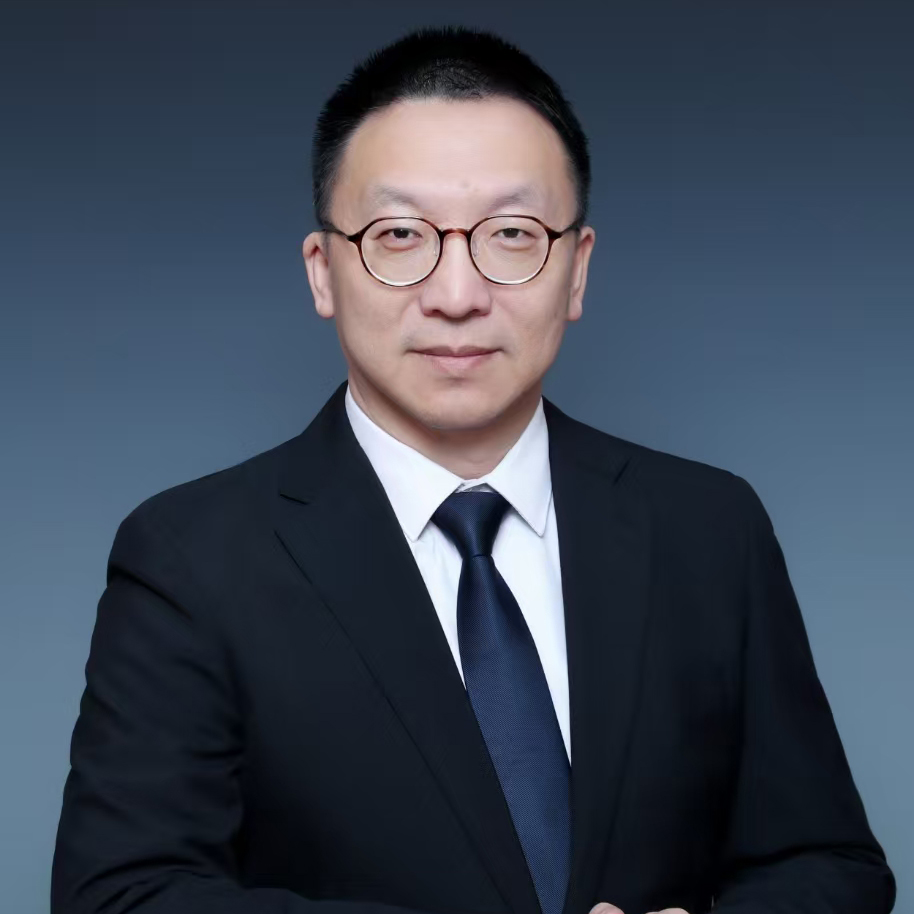
殷成志 清华大学公共管理学院党委副书记、长聘副教授
以下为文章原文及中文译文:
(China Daily报道原文请点击文末“阅读原文”查看)
Communities of interests
By Yin Chengzhi | China Daily Global
Modern spatial layouts call for sustainable partnerships between the government, market and society
As the National People’s Congress and the Chinese People’s Political Consultative Conference convene, the nation’s development compass has been set toward the critical juncture of the 15th Five-Year Plan (2026-30). As the State has explicitly proposed “optimizing territorial spatial layout” and “advancing people-centered new urbanization”, with systematic arrangements for “urban renewal” and “integrated urban-rural development”, a pivotal shift is underway in its approach to urbanization and spatial governance. This shift in focus marks the transition toward modern spatial governance aligned with high-quality growth. The core challenge now is to bridge the gap between ambitious spatial planning and effective implementation through innovative public policy, building a governance system fit for the future. Achieving this requires progress in four key dimensions: transforming the governance paradigm, innovating urban renewal, empowering county-level development and harnessing digital technology.
China’s establishment of a unified territorial spatial planning system has resolved past planning conflicts. The new imperative is to ensure these plans translate into high-quality living environments. This demands a dual approach: crafting macro-level strategic plans for major infrastructure upgrades, and refining governance units to address micro-level community needs. A critical innovation is the institutionalization of “consultative planning” through roles such as “municipal chief architects” and “community planners”. Acting as technical advisors and mediators, they foster collaboration between government, residents and developers. The units of renewal may be a single building, a neighborhood block or a pocket park. Community planners engage deeply with residents to determine their needs, and then facilitate negotiations among all stakeholders to optimize outcomes. This transforms governance from top-down supervision to inclusive collaboration.
This quality-oriented shift also presents significant opportunities. It generates new demand for high-caliber architects, planners and designers, urging professionals and academic institutions to adapt swiftly. Architects and designers need to enhance their capabilities promptly to seize these commercial opportunities. Meanwhile, universities and colleges must transform and upgrade their talent cultivation models in relevant fields. Furthermore, big data and artificial intelligence can be powerful tools, helping governments and designers understand residents’ needs and explore viable solutions efficiently, freeing up resources for strategic decision-making.
The breakthrough for urban renewal would be exploring the development of a “community of interests” governance model. Urban renewal is central to revitalizing existing urban stock. The main hurdles are fragmented property rights, funding challenges and limited public engagement. Moving beyond the old model of government-led redevelopment requires a sustainable partnership between the government, market and society.
A “community of interests” governance model allows original property owners to participate in long-term project operations through mechanisms such as equity shares or property swaps and would turn them from passive relocatees into active stakeholders. This would transform short-term bargaining into long-term shared interest, reducing negotiation costs.
Financing models must also innovate. Promoting a whole-lifecycle capital balance approach is key. Drawing on experiences such as urban renewal trust funds, channels for social capital should be opened. Policies should clarify investment return mechanisms and explore tools such as Tax Increment Financing, allowing a portion of the value uplift generated by renewal to fund the project itself.
The county-level urbanization policy toolbox should realize public service equalization and fiscal sustainability. County-level cities are crucial for urban-rural integration, yet they often face fiscal constraints and inadequate public services. Policy innovation must ensure high-quality service delivery with limited resources.
Spatially, the “living circle” concept should guide development, concentrating superior public resources in county seats to build vibrant “15-minute community living circles”. Precise investment in education, healthcare, and elderly care can enhance their appeal and population-aggregating capacity.
Financially, a diversified county-level fiscal system is urgent. This could include exploring special bonds for new urbanization to fund gap-filling infrastructure, and applying models such as eco-environment-oriented development. The eco-environment-oriented development model integrates public welfare projects with profitable related industries, using industrial returns to subsidize public services. A county seat's competitiveness hinges on offering not only quality basic services but also distinctive local amenities.
Finally, the digital empowerment of governance would be managing smart spaces of “Perception and Response”. Digital technology is a force multiplier for spatial governance. The focus must shift from static data management to dynamic, intelligent response. The City Information Modeling platform should form the digital bedrock of smart cities, evolving beyond a 3D map into a “policy sandbox” for simulation and evaluation. Integrating city information modeling with administrative approval, city management,and emergency systems allows for predictive analysis — simulating a project's impact on traffic or environment before construction — enabling scientific decision-making and avoiding waste.
Critically, digital tools must empower grassroots governance. Breaking down data silos between departments (housing, resources, public security) through unified standards and sharing mechanisms is essential. Furthermore, developing public digital participation platforms would allow citizens to become the city’s “sensors”, reporting issues and co-creating solutions. Such digital engagement embodies the "people-centered" ethos. While digital monitoring has a role, cultivating a widespread culture of rule-compliance and civic participation is foundational for the refined management modern cities require.
In general, the 15th Five-Year Plan period will be the key five years for China to basically realize socialist modernization. New urbanization and modernization of spatial governance are essentially a profound transformation of development models. From planning blueprints to governance reality, what is needed is refined policy tools and institutional supply. Whether it is optimizing governance structures, activating renewal momentum through benefit-sharing mechanisms, or empowering spatial perception through digital technology, the core direction is always “people-centered”. Only through institutional innovation and the development of a multilateral governance pattern led by the government, operated by the market, with the participation of society can cities truly become spatial carriers for high-quality life of the people, providing solid spatial support for Chinese modernization.
随着全国人民代表大会和中国人民政治协商会议的召开,我国的发展正处于“十五五”规划(2026-2030)的关键节点。随着国家明确提出“优化国土空间布局”和“推进以人为核心的新型城镇化”,并对“城市更新”和“城乡融合发展”进行了系统安排,我国城市化和空间治理方式正在发生关键转变。这一转变标志着现代空间治理正向空间高质量发展转型。
当前的核心挑战是通过创新公共政策,建构适应未来发展的治理体系,面向空间规划宏伟蓝图推动空间规划有效实施。实现这一目标需要在四个关键维度取得进展:转变治理范式、创新城市更新、赋能县域发展以及运用数字技术。
我国建立了统一的国土空间规划体系,解决了过去的“多规”冲突问题。新的任务是确保这些国土空间规划得到实施,创造高质量的生活环境。这需要制定宏观层面的战略规划,以升级重大基础设施;以及细化治理单元,以满足微观层面的社区需求。一项关键的创新是通过“城市总建筑师”和“社区规划师”等角色将“协商规划”制度化。他们作为技术顾问和调解人,促进政府、居民和开发商之间的合作。更新单元可以是一栋建筑、一个街区或一处口袋公园。社区规划师深入与居民互动,了解他们的需求,然后协调所有利益相关者之间的协商安排,以优化规划实施结果。这将治理从自上而下的监督转变为包容性合作。
这种以质量为导向的转变也带来了巨大的机遇。它产生了对高素质建筑师、规划师和设计师的新需求,促使专业人士和学术机构迅速适应新变化。建筑师和设计师需要迅速提升他们的能力,以把握这些商业机会。同时,高等院校必须改革和升级相关领域的人才培养模式。此外,大数据和人工智能可以是强大的工具,帮助政府和设计师有效地了解居民的需求并探索可行的解决方案,从而释放资源用于战略决策。
城市更新的突破在于探索“利益共同体”治理模式的发展。城市更新是盘活存量城市资源的关键。主要障碍是产权碎片化、资金挑战和公众参与有限。超越政府主导的旧开发模式,需要政府、市场和社会之间建立可持续的伙伴关系。利益共同体治理模式允许原产权所有者通过股权或房产置换等机制参与长期项目运营,并将他们从被动的搬迁者转变为积极的利益相关者。这将短期博弈转变为长期共享利益,降低谈判成本。
融资模式也必须创新。推广全生命周期资本平衡方法至关重要。借鉴城市更新信托基金等经验,应开放社会资本渠道。政策应明确投资回报机制,并探索税收增量融资等工具,允许城市更新产生的部分价值增值用于项目自身。
县域城镇化政策工具箱应实现公共服务均等化和财政可持续性。县级城市对于城乡一体化至关重要,但它们通常面临财政约束和公共服务不足。政策创新必须确保在有限资源的情况下提供高质量的服务。
在空间上,“生活圈”概念应指导发展,将优质公共服务资源集中在县城,建设充满活力的“15分钟社区生活圈”。在教育、医疗和养老方面的精准投资可以增强县城的吸引力和人口聚集能力。
在财政方面,多元化的县级财政体系建设迫在眉睫。这可以包括探索用于补短板基础设施的新城镇化专项债券,以及应用生态环保型发展等模式。生态环保型发展模式将公益项目与相关营利性产业相结合,用产业收益补贴公共服务。县城的竞争力取决于这些县城能够不仅提供优质的基本公共服务,而且能够提供独具特色的地方性服务。
最后,治理的数字赋能将是管理“感知与响应”的智慧空间。数字技术是空间治理的倍增器。必须将重点从静态数据管理转移到动态、智能响应上。城市信息模型平台应成为智慧城市的数字基石,从3D地图演变为模拟和评估的“政策沙盒”。将城市信息模型与行政审批、城市管理以及应急系统整合,可以进行预测性分析——在建设之前模拟项目对交通或环境的影响——从而实现科学决策和避免浪费。
重要的是,数字工具必须赋能基层治理。通过统一标准和共享机制打破部门(住房、资源、公安)之间的数据孤岛至关重要。此外,开发公共数字参与平台将允许公民成为城市的“传感器”,报告问题并共同创造解决方案。这种数字参与体现了“以人为本”的理念。虽然数字监控发挥着作用,但培养广泛的守法文化和公众参与意识是现代城市精细化管理的基础。
总的来说,“十四五”规划时期将是中国基本实现社会主义现代化的关键五年。新型城镇化和空间治理现代化本质上是发展模式的深刻转变。从规划蓝图到治理现实,需要精细的政策工具和制度供给。无论是优化治理结构,还是通过利益共享机制激活更新动力,或者通过数字技术赋能空间感知,核心方向始终是“以人为本”。只有通过制度创新和政府引导、市场运作、社会参与的多方治理模式,城市才能真正成为承载人民高质量生活的空间载体,为中国现代化提供坚实的空间支撑。
来源丨China Daily
供稿丨政府所